Introduction
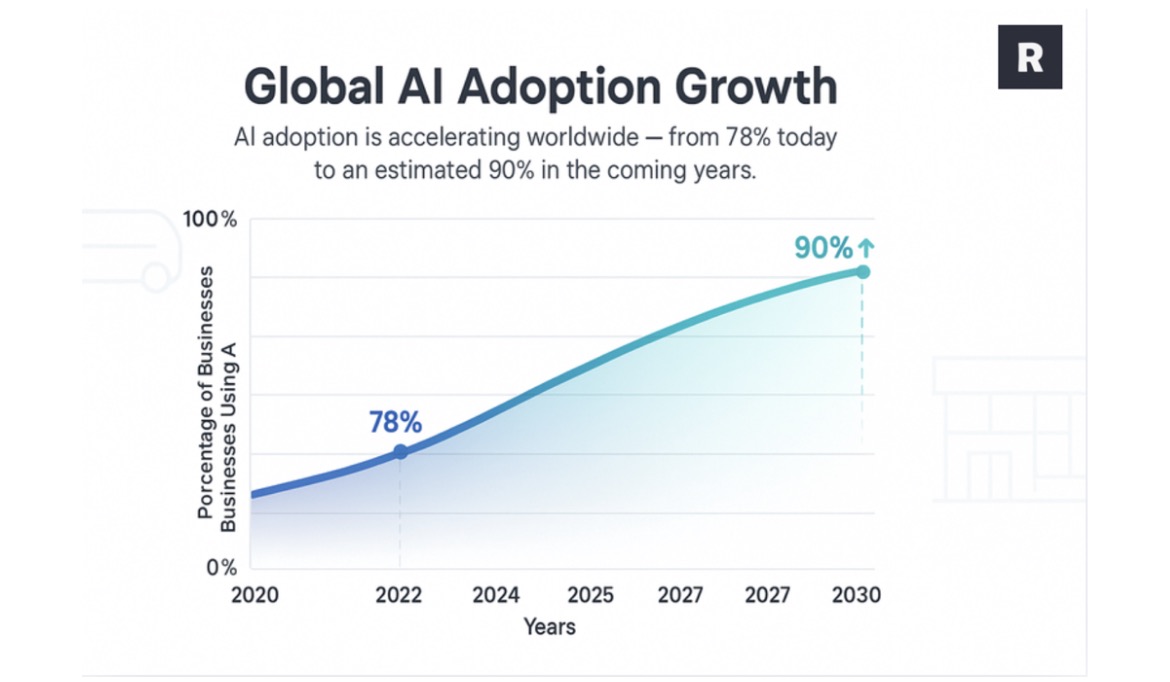
AI adoption is moving at a lightning-fast pace. According to Anthony Cardillo at Exploding Topics, 78% of all global businesses already use AI in at least one function—and that number is expected to rise to over 90% in the coming years. In a high-stakes, high-traffic sector like the automotive industry, this trend isn't just growing—it's essential. But how exactly can AI help *your* automotive business stay ahead? Leading startups in this space, like Relatim, recognized by Enterprise Ireland's New Frontiers Program, are pioneering the transformation of automotive operations through intelligent automation.
Why AI in the automotive industry is such a blessing
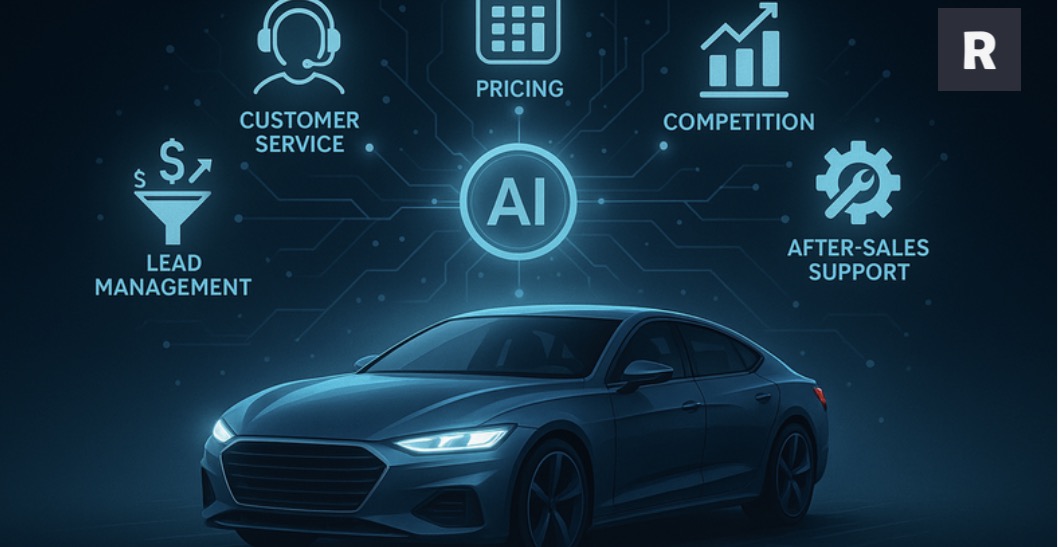
The automotive industry thrives on volume—but that also means it’s flooded with repetitive tasks that still require a human-like touch: customer service, lead management, post-purchase support, and staying competitive in pricing and response times. Sound familiar? That’s exactly the kind of work AI was built for.
Let’s break down the most common pain points—and how AI solves them.
1. Customer Service
Managing customer service in the automotive world is tough. Imagine diagnosing a car issue over the phone while a customer is stressed about breaking down on their commute—and you’re simultaneously under another vehicle. It’s overwhelming, inefficient, and prone to errors.
Enter AI: an AI-powered assistant can handle these interactions instantly, 24/7. Using conversational AI, it can accurately diagnose common issues, answer FAQs about service hours or features, and even escalate complex cases to human staff—ensuring no customer feels ignored.
2. Lead Management
Many dealerships lose leads simply because they receive too many inquiries to handle manually. Customers who can’t get through—or are left on hold too long—often hang up and call a competitor.
AI changes the game. An AI agent can manage thousands (even millions) of leads simultaneously, qualify them with smart questions, and instantly follow up—ensuring no opportunity slips through the cracks.
3. After-Sale Support
Customer loyalty isn’t just built during the sale—it’s cemented afterward. A delayed response to a post-purchase issue can cost you a lifelong customer. But studies show that when issues are resolved quickly and efficiently, trust—and even brand advocacy—can grow stronger than if no problem had occurred at all.
AI enables instant responses, automatic issue triage, and seamless appointment booking for repairs or maintenance. This level of responsiveness builds trust at scale.
4. Staying Competitive
In a saturated market, one bad experience—a snapped reply, a long hold time, or a delayed service appointment—can send a customer straight to your competitor. AI ensures consistent, professional, and timely interactions every single time, removing human error and fatigue from the equation.
5. Competitive Pricing
When competition drives prices down, margins shrink—unless you can reduce operational costs. Hiring more staff isn’t scalable, but AI employees are. They cost a fraction of human labor while delivering 24/7 availability, multilingual support, and flawless consistency across all customer touchpoints.
This allows you to maintain competitive pricing without sacrificing service quality—or profitability.

What's the main benefit?
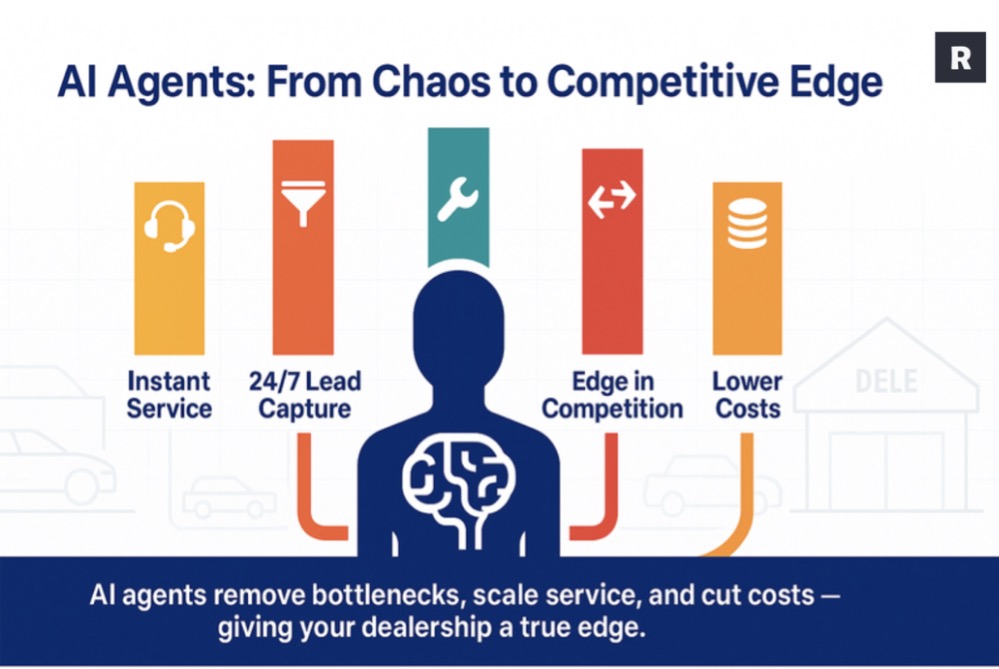
The core advantage is simple: AI stops leads and customers from falling through the cracks.By automating high-volume, time-sensitive tasks—like initial inquiries, lead qualification, service scheduling, and post-sale follow-ups—AI ensures every customer gets a fast, professional response.
This frees your human team to focus on what they do best: building relationships, closing high-intent deals, and delivering exceptional in-person experiences.
A huge thank you to the following sources that provided some of the information for this blog: